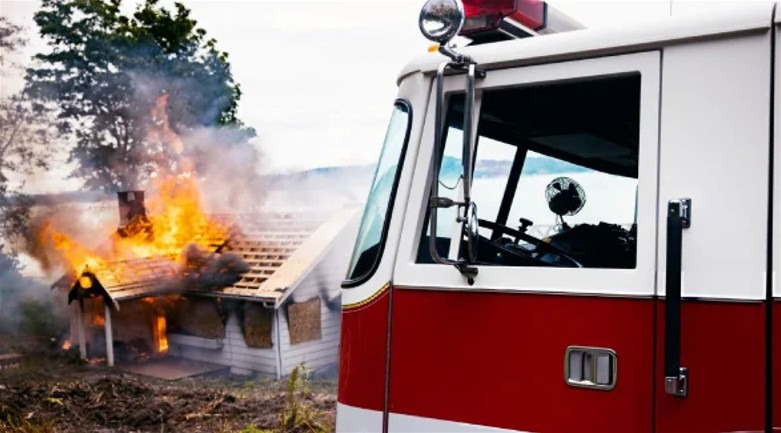
Imagine arriving at work or returning home to find firefighters evacuating the entire building because of a fire that could have been prevented. It may sound like an unlikely scenario, but real incidents across the UK prove that poor fire safety planning can quickly turn into a life-threatening emergency. This is why Fire Risk Assessments UK are not simply a legal requirement—they are one of the most effective ways to protect lives, property, and businesses.
Every employer, landlord, and property manager has a duty to identify fire hazards before they become disasters. A well-prepared fire risk assessment helps reduce risks, improve emergency planning, and ensure compliance with UK fire safety legislation.
Why Fire Risk Assessments Matter
A fire risk assessment is a systematic review of a property that identifies fire hazards, evaluates the level of risk, and recommends measures to reduce or eliminate those dangers.
The requirement comes from the Regulatory Reform (Fire Safety) Order 2005, which places responsibility on the person in control of a non-domestic property. This includes business owners, employers, landlords, managing agents, and anyone responsible for shared areas in residential buildings.
Rather than reacting after a fire occurs, the purpose of a fire risk assessment is to prevent incidents before they happen.
A Real-Life Example That Highlights the Risk
A serious incident in Hartlepool demonstrated exactly why proper fire assessments are essential.
A fire broke out inside a flat at Tower Chambers on Tower Street, resulting in firefighters evacuating seventeen residents. Fortunately, nobody lost their life, but the investigation uncovered significant failings in the building’s fire safety management.
Authorities discovered that the property management company and two fire risk assessors had failed to complete a suitable and sufficient fire risk assessment. Important issues involving fire precautions and escape arrangements had not been properly identified, leaving residents exposed to unnecessary danger.
Following prosecution by Cleveland Fire Authority, the court found that the parties had breached the Regulatory Reform (Fire Safety) Order. The outcome included substantial financial penalties, with total fines reaching around £35,000, while one assessor also received a suspended prison sentence.
The incident serves as a powerful reminder that overlooking fire safety responsibilities can have consequences far beyond property damage.
What Should a Fire Risk Assessment Cover?
An effective fire risk assessment should carefully examine every aspect of fire safety within a building, including:
- Electrical equipment that may create ignition risks
- Storage of combustible materials
- Fire alarms and detection systems
- Emergency lighting
- Fire extinguishers and other firefighting equipment
- Emergency exits and escape routes
- Procedures for evacuation
- Additional support for disabled or vulnerable occupants
Fire safety is not a one-time exercise. Assessments should be reviewed whenever significant changes occur, such as renovations, increased occupancy, or changes in business operations.
Why More Businesses Are Choosing Online Fire Risk Assessments
Technology has made fire safety compliance more convenient than ever. Many organisations now use Online Fire Risk Assessments to complete their legal responsibilities quickly and efficiently.
Online assessments provide several benefits:
- Faster completion compared to traditional paperwork
- Easy access to digital reports
- Secure record keeping
- Convenient updates whenever circumstances change
- Improved compliance through structured assessment templates
For small businesses, offices, retail shops, and landlords managing multiple properties, online systems can simplify ongoing fire safety management while saving valuable time.
Fire Safety Is an Ongoing Responsibility
Completing a fire risk assessment should never be viewed as a box-ticking exercise. Staff should receive regular fire safety training, emergency drills should be practised, and fire protection equipment must be inspected routinely.
A building that was considered safe last year may no longer meet requirements if occupancy changes, new equipment is installed, or escape routes become obstructed. Regular reviews ensure that fire precautions continue to protect everyone using the premises.
The Hartlepool fire demonstrated that even a single overlooked hazard can place lives at risk and lead to severe legal and financial consequences. A thorough fire risk assessment is one of the simplest and most effective ways to prevent avoidable emergencies while meeting your legal obligations.
For businesses, landlords, and organisations looking for a simple and reliable solution, fireriskassessmentonline.co.uk offers an easy way to complete Online Fire Risk Assessments that support compliance with Fire Risk Assessments UK requirements and help create safer buildings for everyone.